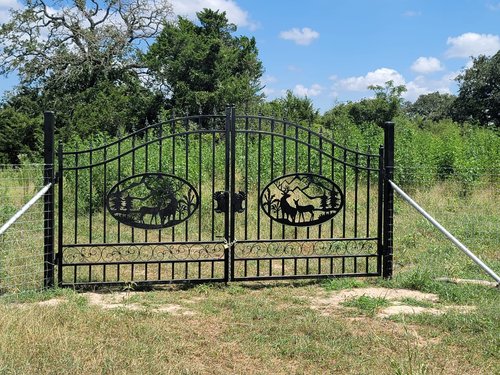
Building or repairing a fence in Texas involves more than just selecting materials and hiring a contractor. Property owners must also follow Texas laws regarding fence placement, shared boundaries, and neighbor responsibility. Misunderstandings about property lines or shared ownership can lead to legal disputes and expensive corrections.
This guide will help homeowners and landowners across Austin, TX and Central Texas understand their responsibilities and avoid common legal issues. Whether you're replacing an old fence or installing one for the first time, knowing the legal boundaries is critical.
Texas law treats fences not just as property features, but as legal boundaries. In cities like Austin and suburbs such as Leander and Georgetown, most property lines are established by surveys, but real-world placement often leads to neighbor disagreements.
Philmar Fence regularly installs and repairs fences on shared boundaries. As a professional fence contractor in Austin, we often advise clients on how to protect their investment while avoiding boundary disputes.
Before installing a fence, always confirm the exact location of your property line. Do not rely on existing fences, utility boxes, or landscaping to determine boundaries.
Here’s how to verify your line:
Check your property survey: This is usually provided at closing and will show legal lot boundaries and dimensions.
Access Travis County Appraisal District records: You can find parcel data using the Travis CAD website.
Hire a licensed land surveyor: If your survey is outdated or missing, this is the safest way to establish exact boundaries.
Installing a fence outside your boundary, even by a few inches, could legally make it your neighbor’s property — and leave you liable for removal.
In Texas, there is no statewide law requiring neighbors to share fence costs, but some general principles apply:
If both parties use the fence, it may be considered a "boundary fence," and both may have rights and responsibilities.
If one party builds it entirely on their side, they typically bear the full cost and ownership.
Written agreements are strongly recommended when cost-sharing or maintenance responsibilities are involved.
In Austin, many HOA communities have internal rules about shared fencing. We recommend checking with your HOA before making assumptions about neighbor responsibility.
For legal clarity, you may also reference the Texas Property Code § 37 or consult with a real estate attorney in Travis or Williamson County.
Most residential fences in Austin can be installed along the property line, but a few placement restrictions apply:
Front yard fences often have a setback requirement — sometimes 10 to 25 feet from the street.
Corner lots may require fencing to be placed away from traffic view zones for safety.
Utility easements cannot be obstructed by fences without written permission.
Always check with the City of Austin Development Services to determine any setback rules before starting construction.
Disputes over misplaced fences are more common than you might think.
Here’s what to do:
Gather documentation such as your survey or plat map.
Communicate respectfully with your neighbor before taking legal action.
Consult an attorney if your neighbor refuses to move or modify the fence.
If the situation involves newly purchased property, title insurance may cover encroachment disputes.
As a trusted fence contractor Austin, we take every step to ensure fences are installed accurately and legally:
We review your survey or plat before starting work
We avoid utility lines and easements
We communicate clearly about property boundaries
We install fences to code and HOA specifications
Whether you're fencing a home in Liberty Hill or a business lot in North Austin, Philmar Fence helps protect your investment and avoid boundary conflicts.
Texas law does not require neighbors to split fence costs unless there is a written agreement. However, both parties may agree to cost-share in cases of mutual benefit.
You may be required to move it. This depends on local enforcement and your neighbor's response. A licensed survey before installation can prevent this issue.
Yes, we require a survey before building and will work closely with you to ensure placement complies with local regulations and legal boundaries.
Yes, unless your HOA or local code requires a setback. Fences on the boundary line are common but should be agreed upon with your neighbor if shared.
Get Your Quote Today!
Whether you’re looking for privacy, security, or a stylish upgrade to your home or business, our expert team is here to help. We offer quality materials, professional installation, and exceptional customer service every step of the way.